Aoifinn Devitt: This podcast is brought to you with the kind support of Harbourview Equity Partners. Harbourview Equity Partners is a global investment firm focused on opportunities in the entertainment and media space. Founded by Charisse Clocks-Horace, Harbourview is a long-term investor in content with an industrial platform built to protect, optimize, and enhance the legacy of premium IP. With a vision of becoming a true stakeholder in the global value of content, Harbourview believes creators deserve a seat at the table creatively and economically. Owning their narrative, and maximizing value for all. In celebration of our partnership with Harbourview Equity Partners, we have chosen a separate piece of music for each podcast in Series 1. We hope you enjoy it.
Steve Butler: It’s very much left to one side. It’s almost an acceptable form of discrimination. So I think the first thing businesses need to do is acknowledge that age sits alongside gender and race and sexuality and all the other characteristics of D&I. And then think about what the implications are in running their businesses. So, for example, when you’re recruiting talent into the business, you’ll very easily recruit a graduate without any experience. But when you’re recruiting an older person, you’re being very critical about whether their experience kind of perfectly matches the role that you’re looking for.
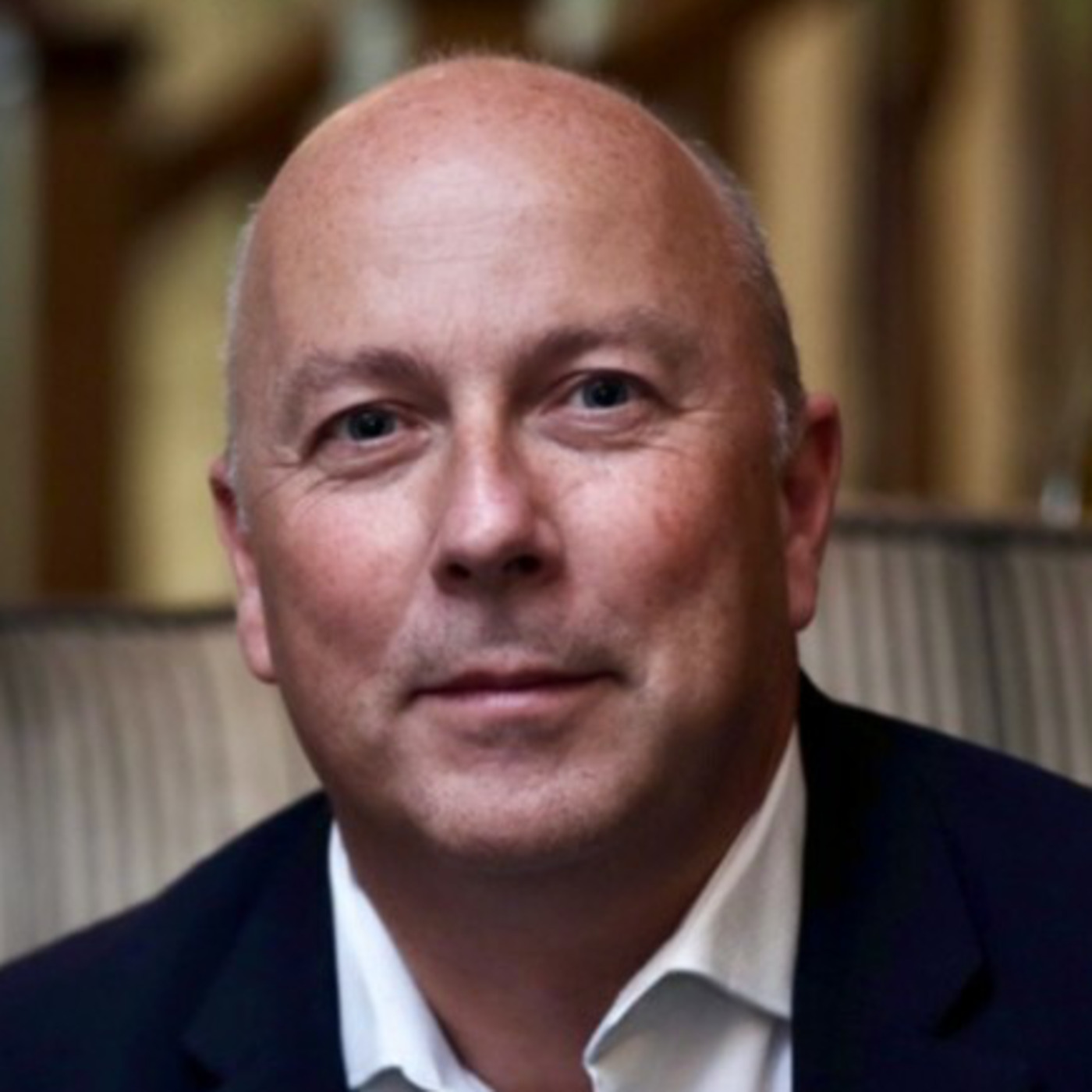
Aoifinn Devitt: I’m Aoifinn Devitt, and welcome to the 50 Faces podcast. A podcast committed to revealing the richness and diversity of the world of investment by focusing on its people and their stories. I’m joined today by Steve Butler, who’s Chief Executive at Punter Southall Aspire, an investment consulting group. He was previously the founder of Cameradata, a business author, and a visiting industry fellow at Oxford Brookes Business School. He’s a particular focus on areas such as the future of work, older workers, inclusive culture, intergenerational planning, and retirement planning. And writes extensively on those topics on LinkedIn, which is where we met. He’s pursuing a doctorate in business administration, which is examining the effect of COVID-19 on different generations in the workplace. Welcome, Steve. Thanks for joining me today.
Steve Butler: Hi, thank you for inviting me. Well, I grew up in the New Forest, which is a national park in the south of England. Lovely place to grow up. However, I was a bit of a bad student, to be honest with you. I was very distracted, spent a lot of my time rock climbing, mountaineering, sailing. Basically anything that was going to keep me out of the classroom. And I think if I was in the classroom, I was probably looking out the window. So I didn’t go to university. I had a very difficult day one August when the exam results came in before university and got a very dismal set of results. And my parents very pragmatically said, well, that’s fine, don’t be too upset about that, but clearly university isn’t for you and it’s time for you to go out and get a job. I wasn’t expecting that. I was a bit horrified about it all at the time. I thought I would just glide my way into university and kind of carry on as I had been. So I set about looking for work, an advert in the local paper for a trainee business development role with a life assurance and pension company. So I applied for that and to my surprise landed it within a week. And I think probably reflecting on that, I can be honest, it wasn’t my academic credentials that kind of got me that job. I was entering an industry that was very dominated by men in the 1980s. The business that I joined was entirely men in the business development team. So I definitely reflect on that and think, well, that I landed that job because I’m a man. And I think now in my role as CEO, I have to kind of acknowledge that I had a foot up to getting into the industry.
Aoifinn Devitt: And did the fact that you had that awful day, as you describe it, that kind of rude awakening, Do you think that maybe sharpened you up in terms of focus when you got to the workplace? Did you stop cavorting with ponies in the New Forest and sailing and rock climbing?
Steve Butler: Yeah, probably quite perceptive of you to say that. And I think when I arrived in the workplace, it wasn’t what I was expecting. I kind of enjoyed it and I fitted in and it worked for me. So I definitely, in a very short period of time, became much more focused in my career and, and my direction of travel. It didn’t mean I stopped rock climbing and mountaineering, but I did spend my working days working hard.
Aoifinn Devitt: Well, certainly growing up in the New Forest with those ponies, I’m sure, was— that sounds like one of the most idyllic, potentially distracting childhoods. So moving through your career now, were there any surprising turns along that way?
Steve Butler: I think the first surprising turn was that I was actually quite good in a business development role. It wasn’t a career that I’d chosen, it was a career that I landed in. And it worked out really well for me. And I think that’s because I’m a kind of people person. I like spending time with people. I’m quite curious. I like to hear their stories and kind of what works for them. And I think naturally I’m a bit of a problem solver. So I think the combination of those things, as me as an individual, sort of fitted well into that sort of business development role. So in quite a short period of time, I went from a sales area, which was a couple of small towns in the south of England, So within 3 or 4 years later, I had South America as a sales territory. So I was sort of traveling internationally and getting involved with very big accounts and big investments.
Aoifinn Devitt: And was Spanish necessary as part of that journey?
Steve Butler: That’s funny, actually, because my employer said, right, you need to learn Spanish. And I had a Spanish tutor that would come to the office twice a week to teach me Spanish. And on my first trip to Argentina, I arrived at the hotel and the hotel staff wanted to speak to me in English to practice their English. And then I met my first client who said, excellent, can we talk in English because I want to practice? So I came back from that trip and stopped the Spanish lessons because it seemed that everyone I wanted to talk to wanted to do it in English. And as I’ve already said, at that age I was a bit of a lazy academic, so didn’t really have an interest in learning the Spanish.
Aoifinn Devitt: Little did you know, offering them English practice probably was a way in the door on the sales side, so who knows? So now moving, you set up Camera Data. What was the problem that Camera Data was designed to solve?
Steve Butler: Bizarrely, I set Camera Data up in 2003, and people probably won’t believe this, but in 2003, the internet was just taking off as a business tool, and it hadn’t really been actively used much before that. And there was a business process that was going on in the investment world where the big pension schemes were writing very long paper-based sets of questions that they were sending to the investment houses and asking them to complete. And the pension funds were obviously reading these documents and making their investment decisions and then throwing them away and, and starting again the next time they had an investment mandate. So I was able to use the internet to have an online database to allow the investment management firms to upload all their due diligence information and for the institutional pension funds to access that data as and when they needed. So it created quite an efficiency in the marketplace because obviously asset managers weren’t having large teams of graduates filling out paper-based questionnaires, and it made it much easier for the pension funds to track the investment managers that they liked and measure their performance and kind of monitor their performance. So I think I just caught a moment in time. The manager research database at the time was just taking off. In the US market. So InvestorForce had just launched and eVestment had just launched. And I was able to strike a deal with InvestorForce where I white-labeled their product into the European market with a European set of questions and launched the business very quickly and very cheaply. And then over the next 5 years, was able to build out my own tech, was able to secure funding to kind of grow the business, and then was able to branch the business out into analytics and peer group analysis and all the things you expect to find in that sort of service.
Aoifinn Devitt: It’s really interesting. Would you say that any kind of lessons learned in terms of that process of growing, building that business, even though you’d been used to a business development role, when it comes to actually your own business, it can be quite different?
Steve Butler: Yeah, because my previous role to that had been in a blue chip company, and then the next day I was working at home on my own. And you have to deal with everything from changing the printer cartridge to doing the business development, to working with software developers to specify software development. So it was a real sharp learning curve and there was a lot of time spent in the City of London going around convincing asset management firms that it was a good thing. Firms are often slow to change to new technology, so it took some momentum to get going. Over the first 5 years. I started the business, I was only 32, and I’d just finished my MBA. I think the MBA was the thing that made me realize that business isn’t that hard. It gives you a taster of all elements of business, and you think, well, actually, I can apply myself to most of these areas. I think that was what gave me the confidence to do it, and I think I just caught a moment in time right in terms of a need that was there in the market.
Aoifinn Devitt: Did you find there was a need to give some of these services away for free at the beginning, given you were probably a less known name, or did you have any kind of cardinal rules about never undercharging?
Steve Butler: Well, I looked at the marketplace and clearly the asset managers were the ones that had budgets to spend. The asset owners and the consultants were a much harder nut to crack. So I actually built the business on the basis that I would provide the data at no cost to the asset owners and the consultants, because I needed their traction of using the data to attract the managers to sort of get involved in the database. So I built the model for the business up on that basis of where the budget was sitting and which was the easiest to secure.
Aoifinn Devitt: Fascinating. So following the money from a very early, early stage. And I’d love to ask now, finally, just to bring your— this journey, the academic journey up to your current doctorate in business administration. Clearly doesn’t look like you have enough else on your plate. Can you talk about that and how your topic evolved? Because now it seems to be addressing the effect of COVID head-on, which it probably didn’t start out that way.
Steve Butler: No, you’re absolutely right. I’m kind of in my final year now, so I’m sort of 6 years in. And when I started, I started from the perspective as a business leader. I’d been experiencing in the workplace the impact of the different generations arriving in the workplace. I was seeing very different behaviors between my younger employees and my older employees., and that was creating some conflict in, in the workplace. I was also being involved in pensions, very aware of the changing sort of demographics that were going on in the workplace in that people were living longer and because of pension requirements would need to stay in the workplace longer to meet their pension requirements. But that was conflicting against what I was actually seeing against my own peer group who in their 50s were being made redundant or were struggling to find work. So my initial research subject sort of centered around age discrimination and perceived age discrimination in the workplace. And the research before me kind of highlighted that people feel most discriminated against at the beginning and the ends of their careers. And I wanted to test that and see how that worked from a perception of discrimination. And then COVID came along and it was such a significant thing that I couldn’t ignore it. It was impacting on the data that I was collecting. So changed my research subjects to be the impact of COVID on the different generations in the workplace, still looking at how people perceived they were being discriminated against. But I looked at it before COVID and during COVID to see whether there was a kind of difference in the way that people felt they were being treated. And there was. COVID, in fact, has had quite a significant impact on the older workers in their perception of the way that they’re treated. COVID has brought a certain amount of flexibility in terms of where you work and how you work, and that’s benefited older workers. Also, we collectively learned to use the technology together, certainly in the UK. We weren’t using Microsoft Teams or Zoom before COVID and we all collectively learned how to use it together and made the mistakes together. So some of the stereotypes around older workers not being not very good at technology were kind of overcome by this collective learning together through the period. So, from the perspective I’m looking, COVID has had a positive impact in the workplace.
Aoifinn Devitt: Really interesting. I’d love to dig into something maybe that initiated this whole DBA at the beginning. You said there were very specific differences in the way perhaps different generations were presenting at the workplace, and that was leading to some tension. What were those kind of differences?
Steve Butler: Yeah, so, so I had an older cohort that had behaved in the workplace the same for the previous 30 or so years, which meant wearing a suit to work, coming to work 9 to 5 in the office, having a kind of bureaucratic team structure around them. And then a younger cohort that were coming into the workplace saying, well, I don’t actually have to be in the office all the time. It doesn’t matter whether I’m in the office or in a coffee shop at home, I can still do the same amount of work. I don’t need to be working 9 to 5. I can break off in the middle of the day and do something else and do the work later. I don’t have to wear a suit and tie. I don’t have to use email to communicate. I can use other methods of kind of communication. So there’s just by virtue of the fact that you had a cohort that had behaved in a certain way for a long time and a new generation coming in with a different set of expectations caused you problems, know, right down to sitting in a meeting together and half the group have got their laptops open in front of them and half of them haven’t. And they’re thinking it’s rude because people are looking at their laptops rather than looking at them. So all these examples of how the different ages behave differently. So I’ve spent a lot of time in the last 5 years sort of trialing in Eric management techniques to see, well, how can I get these groups to work together more productively?
Aoifinn Devitt: So interesting because obviously communication, I would think, about expectations, meeting expectations, etc., just trying to put oneself in the other’s shoes could go a long way towards some of this. But I do find it quite soul-destroying, I suppose, to hear about that circle, that full circle of discrimination coming full circle towards the end of one’s career. Even if COVID has improved the situation, I would imagine it’s still existing, this discrimination. How can we start to tackle that?
Steve Butler: Well, I think firstly, age is the one D&I characteristic which kind of isn’t on the, on the main agenda. It’s very much left to one side. It’s almost an acceptable form of discrimination. So I think the first thing businesses need to do is acknowledge that age sits alongside gender and race and sexuality and all the other characteristics of D&I, and then think about what the implications are in running their businesses. So, for example, when you’re recruiting talent into the business, you’ll very easily recruit a graduate without any experience. But when you’re recruiting an older person, you’re being very critical about whether their experience kind of perfectly matches the role that you’re looking for. So I think it requires managers to be much more open-minded in the recruitment, looking at competencies rather than direct experiences, etc. And I think flexibility is a big part of it for both younger and older workers. I think we’re now entering a world of work where we don’t have to be in the office every day of the week. We can work from home some days of the week. We can dress differently. We can use different methods of working. And I think it’s also about creating a culture where you’re not just saying, well, your older workers, they’re not really keen on promotion or training opportunities. You know, we need to treat the whole workforce the same from that perspective. If we don’t do that, people will leave the workforce and kind of not come back. And I think that’s what we’re seeing. We saw lots of people, older people in the UK, leave the workforce during the COVID period because they got a taste of what retirement would be like. And they liked it, and the frustrations that they had in the workplace weren’t being addressed.
Aoifinn Devitt: In terms of addressing this with initiatives, you mentioned diversity initiatives, so many of them, whether it be internship programs, awareness sessions, anti-bias training. How can we address this? And unfortunately, it seems that it is particularly maybe weighted— I don’t know whether it’s less favorable to men because there’s a desire to still, for example, on board positions, have more women in roles. Is it falling differently on men and women, this discrimination?
Steve Butler: Well, that’s quite interesting because in the pilot study for my doctorate, I looked at the intersectionality of age and gender, and what I found matched the kind of research that had previously existed is that men, from a perception perspective, feel most discriminated against at the beginning of their career because they’re coming into the workplace new, everyone’s older than them, they don’t know the lay of the land, etc. But that kind of tails off quite quickly. And then it starts to build in the latter part of their career. Now, this is in contrast to women who predominantly have a perception of being discriminated against equally throughout their entire career. So there is a gender difference here.
Aoifinn Devitt: Another so destroying comment from you that I have now to thank you for. Discriminated against across their entire career. Well, that I suppose it’s at least it’s consistent. In terms of the industry in general now that we’re looking at, I mean, let’s give it a score. So I know that you’ve done this longitudinal study and you’ve shown that there is unfortunately not much progress. There’s a lot of talk of progress, the talk of initiatives that I mentioned before. How would you assess the efficacy, the likely efficacy of some of these initiatives?
Steve Butler: Yeah, I mean, I have to say I would score the investment and savings industry in the UK market low. I would give it a 2 or a 3 out of 10. We have an industry that is very male-dominated with men from very specific universities, etc. And that’s cascaded throughout the years for many decades. There’s a desire for things to change, and we’ve established a cross-industry initiative called the Diversity Project in the UK. There’s almost 100 member firms involved in that initiative, and it’s been running for 5 years and it’s got workstreams in all the different areas of diversity and inclusion. And produces huge volumes of content, events, charters, manifestos, etc. But we’ve barely seen the needle move in 5 years. So it’s frustrating. I acknowledge that it will be slow to change, and a lot of the change is going to come from attracting new talent into the industry, new, more diverse talent, and creating a culture where those individuals can thrive and, and kind of stay in the industry. So there’s some great initiatives around 10,000 Black Interns and social mobility charities supporting people to get roles in the investment industry. So I’m kind of very optimistic about the future. I’m just super frustrated at the speed at which we’re able to make an impact.
Aoifinn Devitt: And is there any difference in the kind of traction your stream is getting versus, say, some of the other streams?
Steve Butler: No, I don’t think so. I’m not seeing huge traction in any of the streams. The only area where I have seen traction is we have a work stream that I’m actually the executive sponsor for, which is smart working, so hybrid working. And pre-COVID, trying to convince my CEO peers in the investment industry that hybrid working was a positive thing and would have a very positive impact on many people in the workforce, they weren’t really engaging. But then obviously COVID’s happened and it’s transformed the workplace. So we’ve done 10 years forward almost on that front. My only concern is that companies revert back to the way that they were because that’s what they know, rather than embrace the future and acknowledge that if you do allow flexible working, you have a much larger talent pool available to recruit from. You’re creating an environment which accommodates people as their needs change. So I’m a big supporter of hybrid working and I hope we can kind of maintain that as we carry on post the COVID years.
Aoifinn Devitt: And it’s interesting because obviously participation is still painfully low in the workforce in the whole, which is giving rise to some of this, this crunch. So maybe— and it’s also, of course, been more pronounced in the 55+ age groups with the dropping out of the workforce. So maybe that’s an issue that we can try to address through— and returnships exist for professionals mid-career often that have left for various reasons, parental leave, etc. Maybe a similar type of returnship for older generation might be suitable? Have you seen anything work like that?
Steve Butler: Yeah, I have, and there are some initiatives in the industry, and I think it’s a bit of a change in mindset. I think historically we’ve always felt recruitment happens at the graduate stage rather than a kind of returning stage, but I think as that mindset changes, it will have an impact. And it’s not just age-related, it’s gender-related, it’s neurodiversity-related, etc. It will have a positive impact in a number of areas.
Aoifinn Devitt: We’ll just move to now, back to your personal story. You’ve had a career that’s spanned some few decades. What would you say are some of the, sorry, not to underscore, but I’m in a similar situation myself, so that isn’t a soul-destroying thing. What would you say there were some highs and lows of that that you can tell us about?
Steve Butler: Yeah, I think for me personally, I found the corporate world in the larger investment houses challenging. And I think for the same reason I’m finding it challenging when I talk to them about diversity and inclusion. So for me, the highlight was when I stepped away from the blue-chip organizations and kind of set up on my own and allowed myself to build a business in the structure and the frame that I wanted it to be, to my own values rather than the values of those organizations. So for me, that was a big turning point in my life and my career, to work for an organization that has my values.
Aoifinn Devitt: That’s so interesting. And you talk about your values. Would you say that any of those were influenced by mentors that you had or key people?
Steve Butler: Yes. And my current chairman, Jonathan Punter, is probably an individual who I’d say that’s influenced me significantly. I believe he’s invested in me rather than the business. So he’s kind of looking at me as someone with a set of competencies rather than any particular business decision. He’s taken a long-term investor perspective on building the business. Because he understands the investment industry, he knows that there are highs and lows and that mistakes will be made, and he’s been prepared to invest on the longer term and be pragmatic. So I think that combination of investing in the person, pragmatism, and accepting the highs and lows of the market are a set of skills that he has that certainly have influenced me and influenced the way that I look at businesses, investments, etc., personally.
Aoifinn Devitt: It’s interesting, actually, that brings up another question around the particular importance of that kind of longer memory in a time like now when we are perhaps a decade or two away from a similar regime to what we’re experiencing today. So whereas many of the workforce have actually never lived through circumstances like we’re in, rising rates, high inflation, isn’t this now more than ever that we should be looking to people with more experience in these type of markets because they’ve simply seen it before, they can imagine it?
Steve Butler: Absolutely. And I think they’re able to hold their nerve and be pragmatic that we’ll come out the other side. Certainly when I look back at my younger career, you get very nervous when there’s a crash or a bubble, etc., about what the future is going to hold. So certainly that older cohort is going to bring that pragmatism and confidence to see us through some of these challenges. So I think when we think about older workers, it’s not always about a straight linear career. There are lots of things that people can contribute to the business in terms of mentoring and coaching and having that corporate memory, which are hugely valuable to the organization. And they’re not directly linked to a straight linear career.
Aoifinn Devitt: And when someone’s had a long career, we often associate it with great words of wisdom that they’ve picked up along the way. Are there any that you’ve picked up or any creed or motto that you live by?
Steve Butler: Well, I think for me, You might expect me to say this from someone that established the Camera Data business, but doing your due diligence and understanding the detail of what you are doing is kind of really important. When I think back to my early career and I worked for some of those blue-chip kind of investment houses and I promoted their investment products, in all honesty, as the business development person, I didn’t necessarily understand those investment products as well as I should have done. And the company certainly didn’t tell me all the details. And things happen, funds didn’t perform, and you wonder, well, why didn’t they perform? And you kind of think, well, if I’d done my due diligence at the start, I would’ve known the strengths and weaknesses of these funds, and I would’ve sold them in a different way. Certainly in my early career, there was a smooth bonus fund with a headline rate that I sold lots of. And then when markets turned bad, they implemented a market value adjustment under the actuarial discretion clause, which I had not read and didn’t know anything about. So for me now, looking back, I think do your due diligence on whatever it is, whether it’s an investment fund, a job, a company. I think in the past, I’ve always jumped in with two feet and perhaps haven’t done the due diligence that I should have done.
Aoifinn Devitt: It’s also getting back to the why. I mean, why are we here? Why are these products here? The question I asked you, what is the problem that it’s designed to solve? Can sometimes be a helpful reminder that we’re not just operating in a vacuum. Thank you so much, Steve. This has been, first of all, I came across you because you were shining a light on a topic that I think gets far too little discussion. Unfortunately, ageism or discrimination or non-inclusion of older workers is something that is very rarely discussed precisely because those workers may have other issues that compound this problem. They may be at a stage of their life that they’re less healthy, less active, and have other issues that perhaps complicate advocating for themselves. So thank you for the work you do through the Diversity Project and on your own to shine a light on this and for keeping us talking about this because we’re all getting older and we’re all going to need advocates like you.
Steve Butler: Absolutely. That’s the thing. We’re all getting older. Thank you. And, and I appreciate the conversation.
Aoifinn Devitt: I’m Aoifinn Devitt. Thank you for listening to the 50 Faces Podcast. If you liked what you heard and would like to tune in to hear more inspiring investors and their personal journeys, Please subscribe on Apple Podcasts or wherever you get your podcasts. This podcast is for informational purposes only and should not be construed as investment advice, and all views are personal and should not be attributed to the organizations and affiliations of the host or any guest.
Aoifinn Devitt: This podcast is brought to you with the kind support of Harbourview Equity Partners. Harbourview Equity Partners is a global investment firm focused on opportunities in the entertainment and media space. Founded by Charisse Clocks-Horace, Harbourview is a long-term investor in content with an industrial platform built to protect, optimize, and enhance the legacy of premium IP. With a vision of becoming a true stakeholder in the global value of content, Harbourview believes creators deserve a seat at the table creatively and economically. Owning their narrative, and maximizing value for all. In celebration of our partnership with Harbourview Equity Partners, we have chosen a separate piece of music for each podcast in Series 1. We hope you enjoy it.
Steve Butler: It’s very much left to one side. It’s almost an acceptable form of discrimination. So I think the first thing businesses need to do is acknowledge that age sits alongside gender and race and sexuality and all the other characteristics of D&I. And then think about what the implications are in running their businesses. So, for example, when you’re recruiting talent into the business, you’ll very easily recruit a graduate without any experience. But when you’re recruiting an older person, you’re being very critical about whether their experience kind of perfectly matches the role that you’re looking for.
Aoifinn Devitt: I’m Aoifinn Devitt, and welcome to the 50 Faces podcast. A podcast committed to revealing the richness and diversity of the world of investment by focusing on its people and their stories. I’m joined today by Steve Butler, who’s Chief Executive at Punter Southall Aspire, an investment consulting group. He was previously the founder of Cameradata, a business author, and a visiting industry fellow at Oxford Brookes Business School. He’s a particular focus on areas such as the future of work, older workers, inclusive culture, intergenerational planning, and retirement planning. And writes extensively on those topics on LinkedIn, which is where we met. He’s pursuing a doctorate in business administration, which is examining the effect of COVID-19 on different generations in the workplace. Welcome, Steve. Thanks for joining me today.
Steve Butler: Hi, thank you for inviting me. Well, I grew up in the New Forest, which is a national park in the south of England. Lovely place to grow up. However, I was a bit of a bad student, to be honest with you. I was very distracted, spent a lot of my time rock climbing, mountaineering, sailing. Basically anything that was going to keep me out of the classroom. And I think if I was in the classroom, I was probably looking out the window. So I didn’t go to university. I had a very difficult day one August when the exam results came in before university and got a very dismal set of results. And my parents very pragmatically said, well, that’s fine, don’t be too upset about that, but clearly university isn’t for you and it’s time for you to go out and get a job. I wasn’t expecting that. I was a bit horrified about it all at the time. I thought I would just glide my way into university and kind of carry on as I had been. So I set about looking for work, an advert in the local paper for a trainee business development role with a life assurance and pension company. So I applied for that and to my surprise landed it within a week. And I think probably reflecting on that, I can be honest, it wasn’t my academic credentials that kind of got me that job. I was entering an industry that was very dominated by men in the 1980s. The business that I joined was entirely men in the business development team. So I definitely reflect on that and think, well, that I landed that job because I’m a man. And I think now in my role as CEO, I have to kind of acknowledge that I had a foot up to getting into the industry.
Aoifinn Devitt: And did the fact that you had that awful day, as you describe it, that kind of rude awakening, Do you think that maybe sharpened you up in terms of focus when you got to the workplace? Did you stop cavorting with ponies in the New Forest and sailing and rock climbing?
Steve Butler: Yeah, probably quite perceptive of you to say that. And I think when I arrived in the workplace, it wasn’t what I was expecting. I kind of enjoyed it and I fitted in and it worked for me. So I definitely, in a very short period of time, became much more focused in my career and, and my direction of travel. It didn’t mean I stopped rock climbing and mountaineering, but I did spend my working days working hard.
Aoifinn Devitt: Well, certainly growing up in the New Forest with those ponies, I’m sure, was— that sounds like one of the most idyllic, potentially distracting childhoods. So moving through your career now, were there any surprising turns along that way?
Steve Butler: I think the first surprising turn was that I was actually quite good in a business development role. It wasn’t a career that I’d chosen, it was a career that I landed in. And it worked out really well for me. And I think that’s because I’m a kind of people person. I like spending time with people. I’m quite curious. I like to hear their stories and kind of what works for them. And I think naturally I’m a bit of a problem solver. So I think the combination of those things, as me as an individual, sort of fitted well into that sort of business development role. So in quite a short period of time, I went from a sales area, which was a couple of small towns in the south of England, So within 3 or 4 years later, I had South America as a sales territory. So I was sort of traveling internationally and getting involved with very big accounts and big investments.
Aoifinn Devitt: And was Spanish necessary as part of that journey?
Steve Butler: That’s funny, actually, because my employer said, right, you need to learn Spanish. And I had a Spanish tutor that would come to the office twice a week to teach me Spanish. And on my first trip to Argentina, I arrived at the hotel and the hotel staff wanted to speak to me in English to practice their English. And then I met my first client who said, excellent, can we talk in English because I want to practice? So I came back from that trip and stopped the Spanish lessons because it seemed that everyone I wanted to talk to wanted to do it in English. And as I’ve already said, at that age I was a bit of a lazy academic, so didn’t really have an interest in learning the Spanish.
Aoifinn Devitt: Little did you know, offering them English practice probably was a way in the door on the sales side, so who knows? So now moving, you set up Camera Data. What was the problem that Camera Data was designed to solve?
Steve Butler: Bizarrely, I set Camera Data up in 2003, and people probably won’t believe this, but in 2003, the internet was just taking off as a business tool, and it hadn’t really been actively used much before that. And there was a business process that was going on in the investment world where the big pension schemes were writing very long paper-based sets of questions that they were sending to the investment houses and asking them to complete. And the pension funds were obviously reading these documents and making their investment decisions and then throwing them away and, and starting again the next time they had an investment mandate. So I was able to use the internet to have an online database to allow the investment management firms to upload all their due diligence information and for the institutional pension funds to access that data as and when they needed. So it created quite an efficiency in the marketplace because obviously asset managers weren’t having large teams of graduates filling out paper-based questionnaires, and it made it much easier for the pension funds to track the investment managers that they liked and measure their performance and kind of monitor their performance. So I think I just caught a moment in time. The manager research database at the time was just taking off. In the US market. So InvestorForce had just launched and eVestment had just launched. And I was able to strike a deal with InvestorForce where I white-labeled their product into the European market with a European set of questions and launched the business very quickly and very cheaply. And then over the next 5 years, was able to build out my own tech, was able to secure funding to kind of grow the business, and then was able to branch the business out into analytics and peer group analysis and all the things you expect to find in that sort of service.
Aoifinn Devitt: It’s really interesting. Would you say that any kind of lessons learned in terms of that process of growing, building that business, even though you’d been used to a business development role, when it comes to actually your own business, it can be quite different?
Steve Butler: Yeah, because my previous role to that had been in a blue chip company, and then the next day I was working at home on my own. And you have to deal with everything from changing the printer cartridge to doing the business development, to working with software developers to specify software development. So it was a real sharp learning curve and there was a lot of time spent in the City of London going around convincing asset management firms that it was a good thing. Firms are often slow to change to new technology, so it took some momentum to get going. Over the first 5 years. I started the business, I was only 32, and I’d just finished my MBA. I think the MBA was the thing that made me realize that business isn’t that hard. It gives you a taster of all elements of business, and you think, well, actually, I can apply myself to most of these areas. I think that was what gave me the confidence to do it, and I think I just caught a moment in time right in terms of a need that was there in the market.
Aoifinn Devitt: Did you find there was a need to give some of these services away for free at the beginning, given you were probably a less known name, or did you have any kind of cardinal rules about never undercharging?
Steve Butler: Well, I looked at the marketplace and clearly the asset managers were the ones that had budgets to spend. The asset owners and the consultants were a much harder nut to crack. So I actually built the business on the basis that I would provide the data at no cost to the asset owners and the consultants, because I needed their traction of using the data to attract the managers to sort of get involved in the database. So I built the model for the business up on that basis of where the budget was sitting and which was the easiest to secure.
Aoifinn Devitt: Fascinating. So following the money from a very early, early stage. And I’d love to ask now, finally, just to bring your— this journey, the academic journey up to your current doctorate in business administration. Clearly doesn’t look like you have enough else on your plate. Can you talk about that and how your topic evolved? Because now it seems to be addressing the effect of COVID head-on, which it probably didn’t start out that way.
Steve Butler: No, you’re absolutely right. I’m kind of in my final year now, so I’m sort of 6 years in. And when I started, I started from the perspective as a business leader. I’d been experiencing in the workplace the impact of the different generations arriving in the workplace. I was seeing very different behaviors between my younger employees and my older employees., and that was creating some conflict in, in the workplace. I was also being involved in pensions, very aware of the changing sort of demographics that were going on in the workplace in that people were living longer and because of pension requirements would need to stay in the workplace longer to meet their pension requirements. But that was conflicting against what I was actually seeing against my own peer group who in their 50s were being made redundant or were struggling to find work. So my initial research subject sort of centered around age discrimination and perceived age discrimination in the workplace. And the research before me kind of highlighted that people feel most discriminated against at the beginning and the ends of their careers. And I wanted to test that and see how that worked from a perception of discrimination. And then COVID came along and it was such a significant thing that I couldn’t ignore it. It was impacting on the data that I was collecting. So changed my research subjects to be the impact of COVID on the different generations in the workplace, still looking at how people perceived they were being discriminated against. But I looked at it before COVID and during COVID to see whether there was a kind of difference in the way that people felt they were being treated. And there was. COVID, in fact, has had quite a significant impact on the older workers in their perception of the way that they’re treated. COVID has brought a certain amount of flexibility in terms of where you work and how you work, and that’s benefited older workers. Also, we collectively learned to use the technology together, certainly in the UK. We weren’t using Microsoft Teams or Zoom before COVID and we all collectively learned how to use it together and made the mistakes together. So some of the stereotypes around older workers not being not very good at technology were kind of overcome by this collective learning together through the period. So, from the perspective I’m looking, COVID has had a positive impact in the workplace.
Aoifinn Devitt: Really interesting. I’d love to dig into something maybe that initiated this whole DBA at the beginning. You said there were very specific differences in the way perhaps different generations were presenting at the workplace, and that was leading to some tension. What were those kind of differences?
Steve Butler: Yeah, so, so I had an older cohort that had behaved in the workplace the same for the previous 30 or so years, which meant wearing a suit to work, coming to work 9 to 5 in the office, having a kind of bureaucratic team structure around them. And then a younger cohort that were coming into the workplace saying, well, I don’t actually have to be in the office all the time. It doesn’t matter whether I’m in the office or in a coffee shop at home, I can still do the same amount of work. I don’t need to be working 9 to 5. I can break off in the middle of the day and do something else and do the work later. I don’t have to wear a suit and tie. I don’t have to use email to communicate. I can use other methods of kind of communication. So there’s just by virtue of the fact that you had a cohort that had behaved in a certain way for a long time and a new generation coming in with a different set of expectations caused you problems, know, right down to sitting in a meeting together and half the group have got their laptops open in front of them and half of them haven’t. And they’re thinking it’s rude because people are looking at their laptops rather than looking at them. So all these examples of how the different ages behave differently. So I’ve spent a lot of time in the last 5 years sort of trialing in Eric management techniques to see, well, how can I get these groups to work together more productively?
Aoifinn Devitt: So interesting because obviously communication, I would think, about expectations, meeting expectations, etc., just trying to put oneself in the other’s shoes could go a long way towards some of this. But I do find it quite soul-destroying, I suppose, to hear about that circle, that full circle of discrimination coming full circle towards the end of one’s career. Even if COVID has improved the situation, I would imagine it’s still existing, this discrimination. How can we start to tackle that?
Steve Butler: Well, I think firstly, age is the one D&I characteristic which kind of isn’t on the, on the main agenda. It’s very much left to one side. It’s almost an acceptable form of discrimination. So I think the first thing businesses need to do is acknowledge that age sits alongside gender and race and sexuality and all the other characteristics of D&I, and then think about what the implications are in running their businesses. So, for example, when you’re recruiting talent into the business, you’ll very easily recruit a graduate without any experience. But when you’re recruiting an older person, you’re being very critical about whether their experience kind of perfectly matches the role that you’re looking for. So I think it requires managers to be much more open-minded in the recruitment, looking at competencies rather than direct experiences, etc. And I think flexibility is a big part of it for both younger and older workers. I think we’re now entering a world of work where we don’t have to be in the office every day of the week. We can work from home some days of the week. We can dress differently. We can use different methods of working. And I think it’s also about creating a culture where you’re not just saying, well, your older workers, they’re not really keen on promotion or training opportunities. You know, we need to treat the whole workforce the same from that perspective. If we don’t do that, people will leave the workforce and kind of not come back. And I think that’s what we’re seeing. We saw lots of people, older people in the UK, leave the workforce during the COVID period because they got a taste of what retirement would be like. And they liked it, and the frustrations that they had in the workplace weren’t being addressed.
Aoifinn Devitt: In terms of addressing this with initiatives, you mentioned diversity initiatives, so many of them, whether it be internship programs, awareness sessions, anti-bias training. How can we address this? And unfortunately, it seems that it is particularly maybe weighted— I don’t know whether it’s less favorable to men because there’s a desire to still, for example, on board positions, have more women in roles. Is it falling differently on men and women, this discrimination?
Steve Butler: Well, that’s quite interesting because in the pilot study for my doctorate, I looked at the intersectionality of age and gender, and what I found matched the kind of research that had previously existed is that men, from a perception perspective, feel most discriminated against at the beginning of their career because they’re coming into the workplace new, everyone’s older than them, they don’t know the lay of the land, etc. But that kind of tails off quite quickly. And then it starts to build in the latter part of their career. Now, this is in contrast to women who predominantly have a perception of being discriminated against equally throughout their entire career. So there is a gender difference here.
Aoifinn Devitt: Another so destroying comment from you that I have now to thank you for. Discriminated against across their entire career. Well, that I suppose it’s at least it’s consistent. In terms of the industry in general now that we’re looking at, I mean, let’s give it a score. So I know that you’ve done this longitudinal study and you’ve shown that there is unfortunately not much progress. There’s a lot of talk of progress, the talk of initiatives that I mentioned before. How would you assess the efficacy, the likely efficacy of some of these initiatives?
Steve Butler: Yeah, I mean, I have to say I would score the investment and savings industry in the UK market low. I would give it a 2 or a 3 out of 10. We have an industry that is very male-dominated with men from very specific universities, etc. And that’s cascaded throughout the years for many decades. There’s a desire for things to change, and we’ve established a cross-industry initiative called the Diversity Project in the UK. There’s almost 100 member firms involved in that initiative, and it’s been running for 5 years and it’s got workstreams in all the different areas of diversity and inclusion. And produces huge volumes of content, events, charters, manifestos, etc. But we’ve barely seen the needle move in 5 years. So it’s frustrating. I acknowledge that it will be slow to change, and a lot of the change is going to come from attracting new talent into the industry, new, more diverse talent, and creating a culture where those individuals can thrive and, and kind of stay in the industry. So there’s some great initiatives around 10,000 Black Interns and social mobility charities supporting people to get roles in the investment industry. So I’m kind of very optimistic about the future. I’m just super frustrated at the speed at which we’re able to make an impact.
Aoifinn Devitt: And is there any difference in the kind of traction your stream is getting versus, say, some of the other streams?
Steve Butler: No, I don’t think so. I’m not seeing huge traction in any of the streams. The only area where I have seen traction is we have a work stream that I’m actually the executive sponsor for, which is smart working, so hybrid working. And pre-COVID, trying to convince my CEO peers in the investment industry that hybrid working was a positive thing and would have a very positive impact on many people in the workforce, they weren’t really engaging. But then obviously COVID’s happened and it’s transformed the workplace. So we’ve done 10 years forward almost on that front. My only concern is that companies revert back to the way that they were because that’s what they know, rather than embrace the future and acknowledge that if you do allow flexible working, you have a much larger talent pool available to recruit from. You’re creating an environment which accommodates people as their needs change. So I’m a big supporter of hybrid working and I hope we can kind of maintain that as we carry on post the COVID years.
Aoifinn Devitt: And it’s interesting because obviously participation is still painfully low in the workforce in the whole, which is giving rise to some of this, this crunch. So maybe— and it’s also, of course, been more pronounced in the 55+ age groups with the dropping out of the workforce. So maybe that’s an issue that we can try to address through— and returnships exist for professionals mid-career often that have left for various reasons, parental leave, etc. Maybe a similar type of returnship for older generation might be suitable? Have you seen anything work like that?
Steve Butler: Yeah, I have, and there are some initiatives in the industry, and I think it’s a bit of a change in mindset. I think historically we’ve always felt recruitment happens at the graduate stage rather than a kind of returning stage, but I think as that mindset changes, it will have an impact. And it’s not just age-related, it’s gender-related, it’s neurodiversity-related, etc. It will have a positive impact in a number of areas.
Aoifinn Devitt: We’ll just move to now, back to your personal story. You’ve had a career that’s spanned some few decades. What would you say are some of the, sorry, not to underscore, but I’m in a similar situation myself, so that isn’t a soul-destroying thing. What would you say there were some highs and lows of that that you can tell us about?
Steve Butler: Yeah, I think for me personally, I found the corporate world in the larger investment houses challenging. And I think for the same reason I’m finding it challenging when I talk to them about diversity and inclusion. So for me, the highlight was when I stepped away from the blue-chip organizations and kind of set up on my own and allowed myself to build a business in the structure and the frame that I wanted it to be, to my own values rather than the values of those organizations. So for me, that was a big turning point in my life and my career, to work for an organization that has my values.
Aoifinn Devitt: That’s so interesting. And you talk about your values. Would you say that any of those were influenced by mentors that you had or key people?
Steve Butler: Yes. And my current chairman, Jonathan Punter, is probably an individual who I’d say that’s influenced me significantly. I believe he’s invested in me rather than the business. So he’s kind of looking at me as someone with a set of competencies rather than any particular business decision. He’s taken a long-term investor perspective on building the business. Because he understands the investment industry, he knows that there are highs and lows and that mistakes will be made, and he’s been prepared to invest on the longer term and be pragmatic. So I think that combination of investing in the person, pragmatism, and accepting the highs and lows of the market are a set of skills that he has that certainly have influenced me and influenced the way that I look at businesses, investments, etc., personally.
Aoifinn Devitt: It’s interesting, actually, that brings up another question around the particular importance of that kind of longer memory in a time like now when we are perhaps a decade or two away from a similar regime to what we’re experiencing today. So whereas many of the workforce have actually never lived through circumstances like we’re in, rising rates, high inflation, isn’t this now more than ever that we should be looking to people with more experience in these type of markets because they’ve simply seen it before, they can imagine it?
Steve Butler: Absolutely. And I think they’re able to hold their nerve and be pragmatic that we’ll come out the other side. Certainly when I look back at my younger career, you get very nervous when there’s a crash or a bubble, etc., about what the future is going to hold. So certainly that older cohort is going to bring that pragmatism and confidence to see us through some of these challenges. So I think when we think about older workers, it’s not always about a straight linear career. There are lots of things that people can contribute to the business in terms of mentoring and coaching and having that corporate memory, which are hugely valuable to the organization. And they’re not directly linked to a straight linear career.
Aoifinn Devitt: And when someone’s had a long career, we often associate it with great words of wisdom that they’ve picked up along the way. Are there any that you’ve picked up or any creed or motto that you live by?
Steve Butler: Well, I think for me, You might expect me to say this from someone that established the Camera Data business, but doing your due diligence and understanding the detail of what you are doing is kind of really important. When I think back to my early career and I worked for some of those blue-chip kind of investment houses and I promoted their investment products, in all honesty, as the business development person, I didn’t necessarily understand those investment products as well as I should have done. And the company certainly didn’t tell me all the details. And things happen, funds didn’t perform, and you wonder, well, why didn’t they perform? And you kind of think, well, if I’d done my due diligence at the start, I would’ve known the strengths and weaknesses of these funds, and I would’ve sold them in a different way. Certainly in my early career, there was a smooth bonus fund with a headline rate that I sold lots of. And then when markets turned bad, they implemented a market value adjustment under the actuarial discretion clause, which I had not read and didn’t know anything about. So for me now, looking back, I think do your due diligence on whatever it is, whether it’s an investment fund, a job, a company. I think in the past, I’ve always jumped in with two feet and perhaps haven’t done the due diligence that I should have done.
Aoifinn Devitt: It’s also getting back to the why. I mean, why are we here? Why are these products here? The question I asked you, what is the problem that it’s designed to solve? Can sometimes be a helpful reminder that we’re not just operating in a vacuum. Thank you so much, Steve. This has been, first of all, I came across you because you were shining a light on a topic that I think gets far too little discussion. Unfortunately, ageism or discrimination or non-inclusion of older workers is something that is very rarely discussed precisely because those workers may have other issues that compound this problem. They may be at a stage of their life that they’re less healthy, less active, and have other issues that perhaps complicate advocating for themselves. So thank you for the work you do through the Diversity Project and on your own to shine a light on this and for keeping us talking about this because we’re all getting older and we’re all going to need advocates like you.
Steve Butler: Absolutely. That’s the thing. We’re all getting older. Thank you. And, and I appreciate the conversation.
Aoifinn Devitt: I’m Aoifinn Devitt. Thank you for listening to the 50 Faces Podcast. If you liked what you heard and would like to tune in to hear more inspiring investors and their personal journeys, Please subscribe on Apple Podcasts or wherever you get your podcasts. This podcast is for informational purposes only and should not be construed as investment advice, and all views are personal and should not be attributed to the organizations and affiliations of the host or any guest.