Aoifinn Devitt: Don’t resign yourself to what you think you know. I feel like a lot of people make an assumption or an assessment of a situation and then they move on. Don’t resign so quickly. Sit with it and sit with the discomfort. Sit with the tension. What’s that expression? Breakdowns lead to breakthroughs. I’m really encouraging people to be courageous and have tough conversations. And I’m trying to do my best to have those as well. I feel like that’s where the light is.
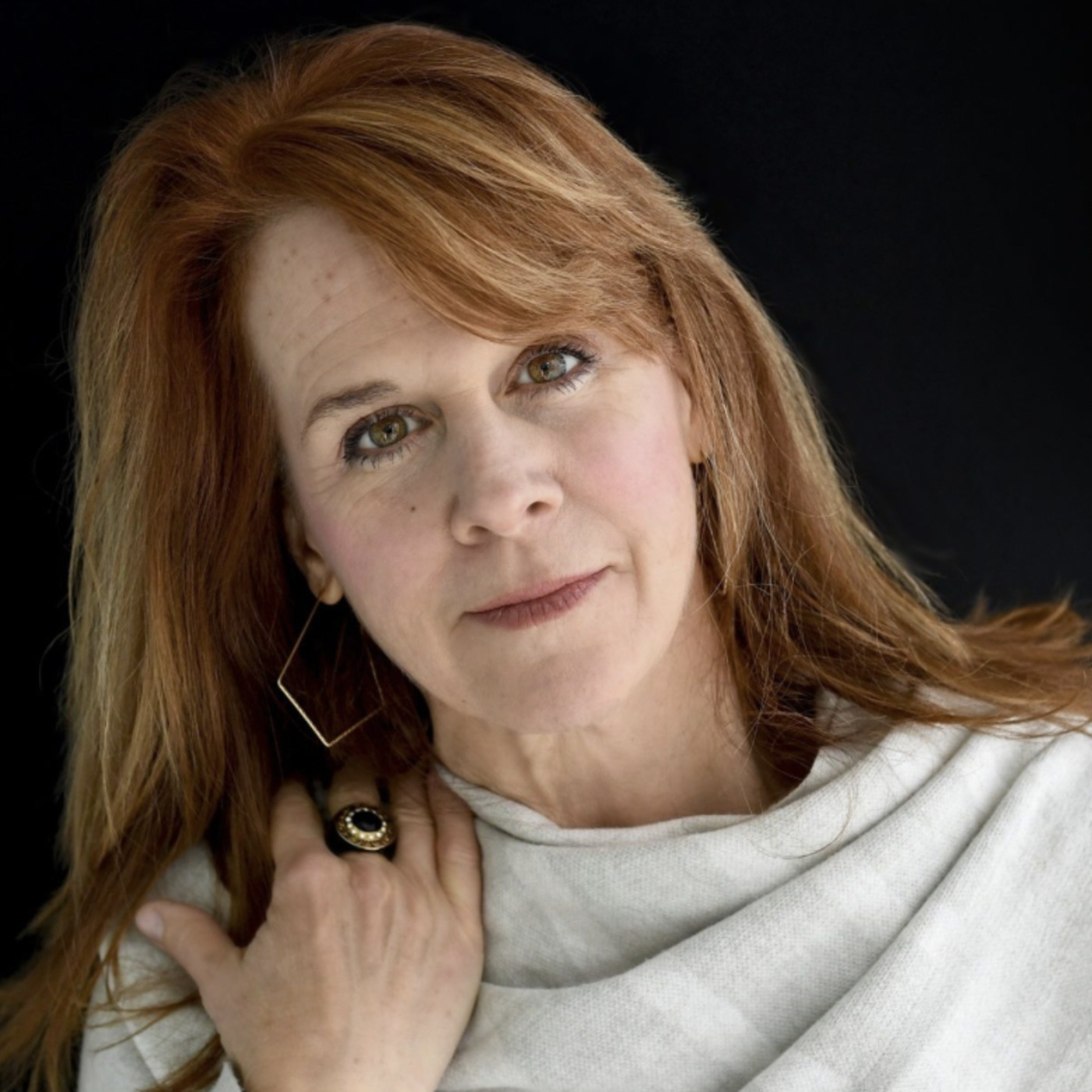
Jeanie: I’m Aoifinn Devitt, and welcome to the 50 Faces Podcast, a podcast committed to revealing the richness and diversity of the world of investment and beyond by focusing on its people and their stories. I’m joined today by Jeannie Coomber, who describes herself as Chief Warrior Igniter and she is founder and creator of the Warriors at Work platform. With a strong interest in coaching and leadership, she spent 15 years at Alliance Bernstein before founding her own firm, where she coaches a wide range of executives, speaks at conferences, and hosts a podcast. Welcome, Jeanne. Thanks for joining me today.
Aoifinn Devitt: Thank you so much for having me here, Aoifinn. I’m really looking forward to the conversation.
Jeanie: Well, of course, I didn’t mention that you were kind enough to invite me onto your podcast.
Aoifinn Devitt: Yes.
Jeanie: So now I’m reciprocating and looking forward to developing some of those themes further. So let’s start with your journey into a career in coaching, because that wasn’t where you started, but it was where you found your passion. Can you talk about that and whether there were any surprising turns along the way?
Aoifinn Devitt: So my journey into coaching is a bit unusual. So I started to develop an interest in coaching before it was really well known in the US. It was very well known in Canada and Europe. My mother was a psychotherapist, and so I remember sitting down, having a conversation with her to say, I always had this knack for managing and leading people. I’m really good at helping identify what are the skills and attributes that make you powerful in the world. But it just wasn’t lighting me up in the current role that I was in. And so I found my way into coaching just through a lot of research, talked to my mom, and she was like, what are you doing? Go back, get your master’s degree. She was a licensed clinical social worker, had a private psychotherapy practice. And I was like, Mom, I don’t want people looking over their shoulder around where they’ve come from. I want the forward thinking and forward progression conversations. And so that’s how I found my way in. I got certified when I was still working at AB. And the twist to the story is that when I got certified, I was pregnant. And at the time, that was all your certifications were virtual. There was no immersions, there was no in-person stuff. My mom died suddenly when my daughter was about 10 weeks old. And when you go through something like that, it changes your whole perspective in a lot of regards. And she and I were talking about creating a practice together. She’d be the psychotherapy arm, and I would have been the coaching arm. And obviously couldn’t do that because of the circumstances. But I knew this was something that I was still meant to do. And I felt like that loss accelerated my growth because I started to ask myself some very direct questions. What do I really want? What do I want to create in the world? And I had a great relationship with my boss, was very honest with him. I’m going to come back from maternity leave, but I am going to leave in this time period. And so he did a great amount of things to secure my situation. I actually did exactly what I said I was going to do. And mind you, at the time, my husband’s English, he had to reschool as a chiropractor in this country. So he had just completed chiropractic school. I didn’t have any business leaving a corporate job with all the securities and starting my own thing. In a field that was unheard of in the US. I mean, it— when I think about it now, I think I must have been out of my mind, the amount of risk that I took in a short space of time. But I was sort of guided by, I want to play a bigger game. I want to learn from this loss and contribute in a different way. And the corporate gig had run its course for me. I just wasn’t in that place where it was lighting me up. And this was such a natural fit for me. So off I went in 2005. I’m about to celebrate 20 years this coming February.
Jeanie: Well, what a milestone. Well, it reminds me of something I heard in a podcast actually just this weekend, which is that change only comes from a place of pain, whether that’s a pain of hardship and it’s the resilience that it forces. So that is very poignant that you shared that story about your mom. And I’m sure she would be proud to see her psychotherapy expertise living on because I’ve always seen your coaching as really fusing that together, certainly the small that you shared with me. So tell us a little bit then about, before we move into the type of coaching you do, just I suppose the, the sort of energy that you need to bring to coach. How do you find that that energy gets replenished? Because therapy can be seen as a draining sort of a pursuit. Coaching is different obviously, but it is also very much a giving, a lot of giving. How do you get from that?
Aoifinn Devitt: I love that question because it’s really hard to answer and it’s a daily practice. It’s something that I have to have a lot of into. Consciousness Is so the way that I characterize my purpose is I’m here to create space and I’m here to create pause and reflection. And that’s how I know I’m really having a powerful conversation. If I can create a pause where someone steps back and is like, hmm, didn’t think of it that way or didn’t consider that point of view. And so I have a lot of extroverted attributes, but by nature I’m much more introverted. So I have to manage my energy. I have to have quiet. I have daily rituals and practices that I do to stop a lot of the noise. I’m a very ambitious A-type in many, many ways, but I have to preserve my energy. And I use my practices as a way to not only tap into myself, but to ask bigger questions, help me guide myself through different conversations. And sometimes it’s really hard, and especially if it’s going through weird, wild business cycles like we’ve seen really since COVID it can be very, very difficult to not intertwine my energy with the energy that I’m seeing. And a lot of the situations that I’m a part of are really high stakes, a lot of stress. So I rely upon those daily practices that I go back to throughout my day to say, okay, what did I set as my intention for the day? How am I feeling right now? Even just having consciousness to that, I learned from a therapist friend, is just this notion of naming wherever you are normalizes it. And so interrupting whatever I’m feeling and just saying, wow, I’m feeling anxious, worried, I feel drained, just those little, little moments will do a reset for me. And then I have a lot of really cool meditation practices and things that I’ll do throughout the day. Huge believer in just breathwork. In between conversations, will just— just to reset. I also am very active. I’m a big exerciser. I’m one of the crazy pickleball people too now. I wish I could play like every day. I just don’t have the time. So I just do anything and everything that I feel called to do to reset. And sometimes it may mean I don’t talk to anybody at the end of the day. I take an hour or two and I just go sit quietly. My family all knows sometimes I’ll say, you know what, I’m finished with the day. There’s nothing more for me to say or do. I will see you all tomorrow. And that’s just how I do it.
Jeanie: I love it. Well, before we launch into coaching and how it’s evolved as a practice, I just want to spend a minute on your entrepreneur’s journey because you mentioned leaving corporate life to set up on your own and what a big risk that was. Can you talk a little bit about setting up your own firm, how you spread the word? And just your experience with that?
Aoifinn Devitt: So when I— as I mentioned, when I started my coaching business, it really was unheard of. So what I had decided to do is I interviewed a lot of coaches who were ahead of me, who had started some sort of business. So I learned a lot from them. How do I set up a business? Some of the basics. What are the networking organizations that I need? It’s institutionalized by corporate America where you go to certain industry functions. Doesn’t work like that in a coaching capacity. I also had to get really clear on like, what kind of coach do I want to be? Do I want to work with individuals? Do I want to work with companies? And again, it was still so uncharted that a lot of it I was making up as I went. And I relied on various mentors from my corporate life to guide me, remind me of my skills and attributes. And then I had a lot of friends in finance, and there’s no better friends than to have friends in finance where they teach you the basics on how you use QuickBooks, how you do you billing, know, what are some good networking practices when they’re doing business development. And I listened and learned. And I’ll tell you, the, the most crucial thing that I had to learn really quickly is the power of building network and network capacity. When you’re working in an organization, it’s fairly set up for you. You know who you’re going to interact with and a lot of industry people. But when you’re out on your own, you don’t know what companies you’re going to resonate with. You don’t who subscribes even to a coaching mentality. So I learned very, very quickly the importance of reciprocity, getting into dialogue. I ask a lot of questions. I’m very, very curious about people’s stories, their backgrounds. I spend the time always. It’s not something that I do occasionally. It is built into my practice. I’m talking to people weekly that I don’t know. I offer a lot. I’m a very, very generous person. I talk to people constantly in all different stages of life, some that are in transition. I have received tremendous generosity in my almost 20 years of being in business. And so I believe that to be really, really important in the network building. And so I don’t even really call it networking. I just have circles. I’ve created different circles of people and they’re who I go to as confidants and that I ask for help. But then they’ve also become my referral source. And so now, after being in practice for a long, long time, I don’t really have to do any marketing. It’s all reputation and I stay in contact. I’m also very good at keeping tabs on how they’re doing. Where have they grown to? What companies are they leading and a part of? And again, I just don’t lose the thread and I believe in the power of that reciprocity and service mentality. And I try to teach it and talk about it as often as possible because it’s not taught anywhere. And it is your lifeline as an entrepreneur. It is something you cannot stop. It’s not a one-off, it’s a constant practice.
Jeanie: I love that. Very powerful words and already some reflections built in there. We use the term coaching mentality and subscribing to a coaching mentality, and I suppose I’d be sort of surprised if there are places that do not, but I’m sure there are many places that do not because it is becoming more, so much more common to hear about. Every level of executives using the services of a coach. You work with a wide range of executives. What are some of the themes that are emerging today? What are some of the challenges that you hear a lot about, the coaching gaps that they’re asking you to fill? Love to hear what’s on their mind.
Aoifinn Devitt: It’s complicated because the world is so different in the last 4 years. And what I can say to you is the themes that I see— and there’s always going to be a political element. How do I navigate politics? How do I navigate power dynamics? Which is one of my favorite conversations because I’m really good at figuring out what’s the system you’re operating in, where are the influencers, where are the detractors, how do you navigate that? So that’s always going to be there. But what I’ve noticed is that’s much more amplified in organizations and the level of ego that now that is attached to that. But by the same token, because of that, what I’m noticing is this real interest and desire for more human-oriented conversations, real self-discovery, real self-exploration, a lot of considerations and things like— I talk very openly about the power of meditation and breathwork and spiritual, soulful in the same way I talk about intellect and all the various leadership competencies that you see. And I think that’s been the upside of this very difficult time period that we’ve just moved through. It’s given us permission to explore things in ourselves in different ways. And I also think it’s more important, going back to the circles piece, the level of expertise that I need to have around me now is very different than it was 4 or 5 years ago. I’m not as sophisticated with DEI as I could be, but I have lots of people who are always educating me and challenging my thinking, challenging my assumptions, the generation that I grew up with, what are the things I need to say, be sensitive to, where do I need to lean in and be more curious. And that’s one of the things that I’ve really had to notice about myself is, I have to hold back before I make an assumption or a judgment or make a recommendation. I need more perspective than I’ve ever needed before. And it’s really important. And I think that’s one of the other things that I’m really seeing that’s very healthy in organizations is they’re embracing more of that and being more conscious of what are the questions I need to be asking. Do I fully have the full understanding of the situation? The people involved, the interests of the people involved. So it’s a really interesting situation. And the types of calls that I get— I mean, I work with men and women, a variety of industries. And the things that I’m always trying to understand is like, are you ready to work with somebody that’s coming in from the outside who is not emotionally tied to what you’re doing but stands for your excellence? That’s what I see as my job is to help you to see maybe what you can’t see what you can’t sense, but I’m always standing for your best and highest. How do we get you to a place of excellence regardless of the circumstances that you find yourself in and maybe get you to ask bigger questions? So it’s a really interesting time.
Jeanie: It’s fascinating because another thing that I think comes up and is one of the later questions was around how our hybrid working situation has changed what people look for in a coach. And one of the things that I read an article I discussed in my Spanish lesson actually about ghosting. In the workplace, and this is ghosting around the job application process. Apparently this is due to Mexico. There’s been a huge rise in both candidates ghosting prospective employers and employers ghosting candidates, and people just not showing up for their first day or, or not responding, you know, to, you know, giving any feedback after an interview. And to me, that speaks of a much more serious issue, which is a breakdown of trust, trust and respect, because the more this goes on, and I think with hybrid working, less in-person contact, trust is a casualty. And when we’re seeking to build trust, so how do you encourage your executives, especially those who might be new to a company, to build trust in them?
Aoifinn Devitt: Well, there’s a lot of different ways to do that. And I think the, the number one way is when there is any in-person opportunity. And a lot of times what they’re doing is there’s like clustered meetings where they’ll get together for a couple of days. The quicker you can get to more revealing, vulnerable, open-hearted conversation, the quicker you’re going to be able to establish trust. This is Jeannie’s philosophy. It doesn’t mean that you can’t talk about business strategy and operations and all the things that are driving an organization, but your lead-in needs to be connection and people-oriented first. Production and operation— I think about all the buzzwords. We’ll play buzzword bingo like, here, you know, the strategic imperatives and all of are driving organizations, we’re leading with that more than we’re leading with people. And I think we need to reverse that. So even if it mentally we choose, let’s lean into more of the people orientation, what are some of the choices I would make that are different? What are some of the decisions that I would make that are different? And then follow up with the production, the execution, and all the results that are necessary. And I think a lot of people have that backwards. They say, you know, for the sake of all things, it’s all about revenue growth, or, or again, pick your, your buzzword. That you think is important based on industry. And I think those leaders that are really getting the people affiliation and importance right are having a lot more ease and flow. And they’re having powerful hybrid interactions. They have happy employees that are coming into the office for the 2 or 3 days a week, or they’re having, again, these clustered events. So when you’re getting on the virtual sessions, you’ve already established that rapport as a human being. And it’s amazing how much more production value you can get out of it just by recognizing we are human beings behind all of this and we all have lives and we all have feelings and emotions. And I think we need to be seen for that the same way we’re seen for our competencies and our ability to drive organizations.
Jeanie: But is there anything else you find you’re speaking to executives about more and more today?
Aoifinn Devitt: One of the things that I really do encourage, and this comes up quite a bit, is the importance of self-regulation and not enmeshing yourself in all the circumstances you find yourself in. It is not up to you to own or manage all of those situations. How do you come back to yourself and figure out what’s my role, what’s my part, what’s my domain? And just because I’m present or in a situation or interaction where there’s a lot of emotion. It’s usually bad behavior, and there’s, again, paradynamics. It doesn’t mean you have to play into that emotion. How do you come back to yourself and regulate your own response and reaction to what’s going on? So it’s something that I, I’m noticing I’m having to talk a lot about. It’s like, let’s go back here. Where are you right now? Where— okay, where are you? Come back to yourself. What are the questions you need to ask?
Jeanie: Really, really interesting. And I mentioned in the intro that you speak at a number of conferences and host a podcast. Just taking each of those in turn, what topics do you bring up at conferences that resonate particularly with your audience?
Aoifinn Devitt: The most common call that I get— it’s one of my favorite subjects, probably because I was monumentally terrible at it— is I love to talk about what I characterize as communicating with impact. I have an amazing mentor based in San Francisco who I partnered with probably 12 or 13 years years ago and did a lot of work with her inside of organizations around— at the time we characterized it as executive presence. And so I learned the basics of the model and the behaviors, and it’s a term that’s thrown around a lot in business. And so I’ve revised it, if you will, to have more of my particular take, which speaks to my job is to help understand when you’re at your best, when you’re most effective, when you’re most powerful, you know, when you come out of those meetings and you’re like, they need to pay me more money, I’m that good. My job is to help you find what that looks like using the Presence Model. But really what I’m doing is I’m attuning myself to you in a way so that I can help you understand when you do this, you’re getting greater results with less effort. When you do this, it’s noise. So how do we get rid of the noise and bring you up into a higher way of being? And so this subject is probably the most common call that I get to do anything in sort of conferences. Sometimes I’ll do workshops, sometimes I’ll do it more one-on-one with executives. It’s my favorite topic because it’s all about being human. And if you read any of the research around presence— Amy Cuddy’s probably got it, one of the best books I’ve ever read around it is around presence— is that she really promotes this notion of speaking in connection language. But she also always talks about the more we try to manufacture behaviors that are not real, which, again, we’ve all been guilty of this in a business way, the harder it is to maintain because it’s not real. So you really want to lean into your most natural state of being, not the one that is manufactured what you think appropriate. It doesn’t mean that you don’t have to be aware of the cultural norms and the ways that operations or organizations operate. You do, but you don’t become something that you’re not. And so I’m very, very good at just focusing on how do I teach this in a larger group and have everybody walk away with a couple of things that they could apply right away. But I credit my mentor, Amy, for teaching me all of that. She was an amazing person. So that’s probably the most common one that I get.
Jeanie: I’ll go look up some of those sources. They sound fascinating. And then your podcast, Warriors at Work, because I mentioned that I was privileged to be a guest. What do you aim for there?
Aoifinn Devitt: Well, to answer that question, I got to take you back to 2020. Because I had another one of those crazy Jeannie, what are you doing again? So in February of 2020, I decided to rebrand. I decided to take the JeannieCoomber.com. I had a podcast kind of off to the side that it was a little hobby, and I said, no, I’m going to integrate the two. I really want to create a talk show for men and women in the workplace. That was my original intention. And to talk more about, like, spirituality the same way we talk about strategy. Let’s talk about intuition the same way we talk about intellect.. And so that was my big brainchild. And I was like, I’m going to combine the I’m coaching. Going to do this podcast thing. Hired a great branding company, and off I went. Launched it February of 2020. Okay. Not the best timing. And then nobody’s hiring an executive coach. All my travel got canceled. All my engagements got canceled. And I had a big heart-to-heart with my husband. My daughter at the time was a sophomore in high school. I was like, oh my gosh, we have to get ready for college. Our younger one’s still in grammar school. What are we going to do? And I said, I think I have an idea. I’m going to get into service to the business community. So I’m going to take this Warriors at Work idea and I’m going to go out on Facebook Live, which, by the way, I had no idea how to use or had any idea what I was doing. So it was me and a notebook, 5:00 every morning. I would just talk from the heart. What can I talk about? And the whole notion was, how do I serve up things that I’ve learned? And at the time, it was a 15-year-old practice. Of all the people that I’ve ever coached? How do I help people navigate the most insane environment we’ve ever seen? And I got back such return of love and followership, and it blew up, and it became like this thing where I realized I couldn’t do it every day. I had to create some sequencing. I also then figured out how do I stream in guests? And then while I was at it, I was like, well, if I’ve got you here live, let’s pre-record something too. So I have two bits of content. And I did it all the way up until, oh gosh, probably the late 2021 when people started going back to the office. And then I said, well, I have this great podcast, I’m just going to keep that going. So it’s a thing now, and that’ll be 5 years old February of next year. And so it’s, it’s something that I love, but it’s still the same concept is how do I bring ideas, thoughts, perspective out into the business community to help everybody live their best and fullest life, whether it’s inside or outside the office. And it’s no-holds-barred. I’ve talked to CEOs, I’ve talked to shamans. It’s all fair game. It’s all about what is going to help you navigate, grow from, or move through the next thing.
Jeanie: I love that. And it all comes from a start of giving, from a center of.
Aoifinn Devitt: Yes.
Jeanie: And, giving. Uh, and not knowing necessarily what the reciprocity or return will be, but having faith that there will be one. So I love that. And moving to the reflection section now, so I think you’ve told us a little bit about some setbacks and challenges. I think a lot of them have been built in there, some of them around timing. But can we look at some highs and lows maybe of your coaching journey so far?
Aoifinn Devitt: Mm-hmm. Highs. I did not get any— well, I got asked to do a private session. It was a Communicating with Impact session in New York. Just before COVID for the top 1% of the executives that were a part of this network. And I kicked and screamed. I didn’t want to do it. I thought, what? C-suite female leaders, they’re not going to need somebody like me. They all have media coaches. They don’t need Jeanie to come in. And the founder of this executive group is like, no, you need to do it. It’s going to be great. So I didn’t sleep the whole night before because I was in my head. Like, you know, I’m a human being. I’ve got insecurities like anybody else. And I was in my head going, this is a huge mistake. I’m going to flop. I called a colleague on the way. She got me out of my head and she was like, stop it. Just go in there, be you. So I threw my whole script out and it ended up being one of the most rewarding professional days I’ve ever had in my life because I was me. And I just started coaching women live. There were some women that were interviewing for really high-level positions in that week. And I had heads of people, I did CEOs. I mean, see, just fill in the blank. This entire room was so magnetic. And after the session, I had probably 25 people waiting to talk to me afterwards. It turned into tons and tons of opportunity, but it reminded me that I’m here to be me, not to be somebody else. And I have a lot of gifts and talents to offer the world. And it was so fulfilling. And then the feedback that I got from the founders of this organization really— I just never forgot it. Brought me to tears. It was so so fulfilling. I think a low point for me that was probably the most difficult to navigate was less on anything from a coaching or client situation, because sometimes those can be very, very challenging. But my husband had a wild medical issue back in March of 2022, completely out of left field, and it really leveled him for quite a few months. And so I became the primary income earner in our household. It was scary, but again, always went back to, I know my capabilities. I know my talents. I care deeply about what I’m doing. But what ended up coming from it is I developed a panic disorder. I had a lot of panic attacks and episodes. And so they lasted— they were daily, usually twice a day for about 6 months. So it was very difficult to hold this space for other people talking about these highly emotional things while me, myself, was having a very, very difficult time. And I pulled in all of my shamans, Reiki therapists, doctors. I work with a functional doctor. I pulled her— anything and everything to help me look at it and understand what it is, learn from it. And then I was able to frankly openly talk about it. And the more I talked about it, the more I realized so many people suffer from that. And it’s not 100% gone. I’ve just learned even more techniques of self-management. And I know when my energy’s off or when I’m depleted and things that I have to do to care for myself. And thank God my husband’s fine now, but it was a really, really difficult time period to be in this service, helping, transformational space when I was so— I was very half full for a good portion of that time period. But like every pain and loss in life, it was an extraordinary time of learning and growing.
Jeanie: Back to that theme again, and thank you for sharing that story so authentically, because I think that will be extremely helpful to others who either suffer in silence or don’t have the self-awareness to know something is very wrong and to recruit these massive circles of influence and support, which are there, but it’s about recruiting them and knowing you can get through. So my next question is normally around key people that have been mentors to you or have been supportive, and I think you’ve already mentioned some in the form of your mentor based on the West Coast. But is anyone in particular who was particularly formative in your life and career journey? And it’s not an exhaustive list. I always— No, no.
Aoifinn Devitt: Besides the people that I’ve said that were there to lift me up and remind me of my talents, I like to reflect on the most difficult colleagues and people that worked for me that were like the nightmare employees. Boy, did I learn a lot. And I think of them. There’s always a few that always pop up when I’m having a tough day. I’m like, I navigated that one, that one, that was— I didn’t show up great there. Because of course, you make mistakes in that situation too. But I have a lot of gratitude for the really difficult people that I’ve had to work with over the years and how they made me stronger, made me better, made me dig in, learn from my mistakes and how I would fumble things. So slightly different answer than probably what you expected, but I do think of them a lot.
Jeanie: Every cloud has a silver lining, I suppose. So that’s, that’s a very positive way to think about that. And besides the clearly very strong mission that is really embedded in all of your coaching work, are there any other causes that are important to you that you bring this energy, which is abundant, to in your life besides the work side?
Aoifinn Devitt: I became aware of two nonprofits in this last year that I have a lot of love for. One is called One Life to Love, and she’s addressing homeless issues for children in India, which is an epidemic, educating them, clothing them, feeding them, and setting them up for success in life. And then the other one is similar called Mercy Beyond Borders, and they help educate girls in South Sudan, Haiti. She’s had extraordinary results. She’s been doing it for about 12 years. I’ve had both of those founders on my platform because they are extraordinary people who chosen to do this work in life. So I remind myself of people like that when I think I’m having a difficult day or I’m not really sure the outcomes of things, and I find them to be very grounding and just reminds me again of my humanity and how much we have. So those are the two that I think about and give a lot of support to.
Jeanie: Any last word of wisdom or a creed or motto to leave us with? You have littered quite a few generously throughout this conversation. But anything either you wish you’d known as a younger person or that you sum up now?
Aoifinn Devitt: Don’t resign yourself to what you think you know. I feel like a lot of people make an assumption or an assessment of a situation and then they move on. Don’t resign so quickly. Sit with it and sit with the discomfort. Sit with the tension. What’s that expression? Breakdowns lead to breakthroughs. I’m really encouraging people to be courageous and have tough conversations. And I’m, you know, I’m trying to do my best to have those as well. I feel like that’s where the light is.
Jeanie: I love that, sitting with the discomfort. I think we talked about comfort zones in our conversation, our own podcast, and I’ll try to take some of that on board as well. Well, Jeannie, this has been just as much a tour de force as I knew it would be. You are one of the true original warriors You may recruit others, but you eat your own cooking in that respect. Thank you for the work you’re doing in the coaching arena, for reminding us as to what we are capable of and what we need, and also what is around us and the resources around us that we can draw upon. I very much look forward to keeping in touch, and thank you for sharing your insights here.
Aoifinn Devitt: And thank you for putting out such an amazing podcast that provides space to have these types of conversations. It’s really important.
Jeanie: Well, the goal is to have some mini coaching sessions, and I feel we’ve delivered exactly as— so thank you. I’m Aoifinn Devitt. Thank you for listening to the 50 Faces podcast. If you liked what you heard and would like to tune in to hear from more inspiring professionals on their personal journeys, please subscribe on Apple Podcasts or wherever you get your podcasts. This podcast is for informational purposes only and should not be construed as investment advice. And all views are personal and should not be attributed to the organizations and affiliations of the host or any guest.
Aoifinn Devitt: Don’t resign yourself to what you think you know. I feel like a lot of people make an assumption or an assessment of a situation and then they move on. Don’t resign so quickly. Sit with it and sit with the discomfort. Sit with the tension. What’s that expression? Breakdowns lead to breakthroughs. I’m really encouraging people to be courageous and have tough conversations. And I’m trying to do my best to have those as well. I feel like that’s where the light is.
Jeanie: I’m Aoifinn Devitt, and welcome to the 50 Faces Podcast, a podcast committed to revealing the richness and diversity of the world of investment and beyond by focusing on its people and their stories. I’m joined today by Jeannie Coomber, who describes herself as Chief Warrior Igniter and she is founder and creator of the Warriors at Work platform. With a strong interest in coaching and leadership, she spent 15 years at Alliance Bernstein before founding her own firm, where she coaches a wide range of executives, speaks at conferences, and hosts a podcast. Welcome, Jeanne. Thanks for joining me today.
Aoifinn Devitt: Thank you so much for having me here, Aoifinn. I’m really looking forward to the conversation.
Jeanie: Well, of course, I didn’t mention that you were kind enough to invite me onto your podcast.
Aoifinn Devitt: Yes.
Jeanie: So now I’m reciprocating and looking forward to developing some of those themes further. So let’s start with your journey into a career in coaching, because that wasn’t where you started, but it was where you found your passion. Can you talk about that and whether there were any surprising turns along the way?
Aoifinn Devitt: So my journey into coaching is a bit unusual. So I started to develop an interest in coaching before it was really well known in the US. It was very well known in Canada and Europe. My mother was a psychotherapist, and so I remember sitting down, having a conversation with her to say, I always had this knack for managing and leading people. I’m really good at helping identify what are the skills and attributes that make you powerful in the world. But it just wasn’t lighting me up in the current role that I was in. And so I found my way into coaching just through a lot of research, talked to my mom, and she was like, what are you doing? Go back, get your master’s degree. She was a licensed clinical social worker, had a private psychotherapy practice. And I was like, Mom, I don’t want people looking over their shoulder around where they’ve come from. I want the forward thinking and forward progression conversations. And so that’s how I found my way in. I got certified when I was still working at AB. And the twist to the story is that when I got certified, I was pregnant. And at the time, that was all your certifications were virtual. There was no immersions, there was no in-person stuff. My mom died suddenly when my daughter was about 10 weeks old. And when you go through something like that, it changes your whole perspective in a lot of regards. And she and I were talking about creating a practice together. She’d be the psychotherapy arm, and I would have been the coaching arm. And obviously couldn’t do that because of the circumstances. But I knew this was something that I was still meant to do. And I felt like that loss accelerated my growth because I started to ask myself some very direct questions. What do I really want? What do I want to create in the world? And I had a great relationship with my boss, was very honest with him. I’m going to come back from maternity leave, but I am going to leave in this time period. And so he did a great amount of things to secure my situation. I actually did exactly what I said I was going to do. And mind you, at the time, my husband’s English, he had to reschool as a chiropractor in this country. So he had just completed chiropractic school. I didn’t have any business leaving a corporate job with all the securities and starting my own thing. In a field that was unheard of in the US. I mean, it— when I think about it now, I think I must have been out of my mind, the amount of risk that I took in a short space of time. But I was sort of guided by, I want to play a bigger game. I want to learn from this loss and contribute in a different way. And the corporate gig had run its course for me. I just wasn’t in that place where it was lighting me up. And this was such a natural fit for me. So off I went in 2005. I’m about to celebrate 20 years this coming February.
Jeanie: Well, what a milestone. Well, it reminds me of something I heard in a podcast actually just this weekend, which is that change only comes from a place of pain, whether that’s a pain of hardship and it’s the resilience that it forces. So that is very poignant that you shared that story about your mom. And I’m sure she would be proud to see her psychotherapy expertise living on because I’ve always seen your coaching as really fusing that together, certainly the small that you shared with me. So tell us a little bit then about, before we move into the type of coaching you do, just I suppose the, the sort of energy that you need to bring to coach. How do you find that that energy gets replenished? Because therapy can be seen as a draining sort of a pursuit. Coaching is different obviously, but it is also very much a giving, a lot of giving. How do you get from that?
Aoifinn Devitt: I love that question because it’s really hard to answer and it’s a daily practice. It’s something that I have to have a lot of into. Consciousness Is so the way that I characterize my purpose is I’m here to create space and I’m here to create pause and reflection. And that’s how I know I’m really having a powerful conversation. If I can create a pause where someone steps back and is like, hmm, didn’t think of it that way or didn’t consider that point of view. And so I have a lot of extroverted attributes, but by nature I’m much more introverted. So I have to manage my energy. I have to have quiet. I have daily rituals and practices that I do to stop a lot of the noise. I’m a very ambitious A-type in many, many ways, but I have to preserve my energy. And I use my practices as a way to not only tap into myself, but to ask bigger questions, help me guide myself through different conversations. And sometimes it’s really hard, and especially if it’s going through weird, wild business cycles like we’ve seen really since COVID it can be very, very difficult to not intertwine my energy with the energy that I’m seeing. And a lot of the situations that I’m a part of are really high stakes, a lot of stress. So I rely upon those daily practices that I go back to throughout my day to say, okay, what did I set as my intention for the day? How am I feeling right now? Even just having consciousness to that, I learned from a therapist friend, is just this notion of naming wherever you are normalizes it. And so interrupting whatever I’m feeling and just saying, wow, I’m feeling anxious, worried, I feel drained, just those little, little moments will do a reset for me. And then I have a lot of really cool meditation practices and things that I’ll do throughout the day. Huge believer in just breathwork. In between conversations, will just— just to reset. I also am very active. I’m a big exerciser. I’m one of the crazy pickleball people too now. I wish I could play like every day. I just don’t have the time. So I just do anything and everything that I feel called to do to reset. And sometimes it may mean I don’t talk to anybody at the end of the day. I take an hour or two and I just go sit quietly. My family all knows sometimes I’ll say, you know what, I’m finished with the day. There’s nothing more for me to say or do. I will see you all tomorrow. And that’s just how I do it.
Jeanie: I love it. Well, before we launch into coaching and how it’s evolved as a practice, I just want to spend a minute on your entrepreneur’s journey because you mentioned leaving corporate life to set up on your own and what a big risk that was. Can you talk a little bit about setting up your own firm, how you spread the word? And just your experience with that?
Aoifinn Devitt: So when I— as I mentioned, when I started my coaching business, it really was unheard of. So what I had decided to do is I interviewed a lot of coaches who were ahead of me, who had started some sort of business. So I learned a lot from them. How do I set up a business? Some of the basics. What are the networking organizations that I need? It’s institutionalized by corporate America where you go to certain industry functions. Doesn’t work like that in a coaching capacity. I also had to get really clear on like, what kind of coach do I want to be? Do I want to work with individuals? Do I want to work with companies? And again, it was still so uncharted that a lot of it I was making up as I went. And I relied on various mentors from my corporate life to guide me, remind me of my skills and attributes. And then I had a lot of friends in finance, and there’s no better friends than to have friends in finance where they teach you the basics on how you use QuickBooks, how you do you billing, know, what are some good networking practices when they’re doing business development. And I listened and learned. And I’ll tell you, the, the most crucial thing that I had to learn really quickly is the power of building network and network capacity. When you’re working in an organization, it’s fairly set up for you. You know who you’re going to interact with and a lot of industry people. But when you’re out on your own, you don’t know what companies you’re going to resonate with. You don’t who subscribes even to a coaching mentality. So I learned very, very quickly the importance of reciprocity, getting into dialogue. I ask a lot of questions. I’m very, very curious about people’s stories, their backgrounds. I spend the time always. It’s not something that I do occasionally. It is built into my practice. I’m talking to people weekly that I don’t know. I offer a lot. I’m a very, very generous person. I talk to people constantly in all different stages of life, some that are in transition. I have received tremendous generosity in my almost 20 years of being in business. And so I believe that to be really, really important in the network building. And so I don’t even really call it networking. I just have circles. I’ve created different circles of people and they’re who I go to as confidants and that I ask for help. But then they’ve also become my referral source. And so now, after being in practice for a long, long time, I don’t really have to do any marketing. It’s all reputation and I stay in contact. I’m also very good at keeping tabs on how they’re doing. Where have they grown to? What companies are they leading and a part of? And again, I just don’t lose the thread and I believe in the power of that reciprocity and service mentality. And I try to teach it and talk about it as often as possible because it’s not taught anywhere. And it is your lifeline as an entrepreneur. It is something you cannot stop. It’s not a one-off, it’s a constant practice.
Jeanie: I love that. Very powerful words and already some reflections built in there. We use the term coaching mentality and subscribing to a coaching mentality, and I suppose I’d be sort of surprised if there are places that do not, but I’m sure there are many places that do not because it is becoming more, so much more common to hear about. Every level of executives using the services of a coach. You work with a wide range of executives. What are some of the themes that are emerging today? What are some of the challenges that you hear a lot about, the coaching gaps that they’re asking you to fill? Love to hear what’s on their mind.
Aoifinn Devitt: It’s complicated because the world is so different in the last 4 years. And what I can say to you is the themes that I see— and there’s always going to be a political element. How do I navigate politics? How do I navigate power dynamics? Which is one of my favorite conversations because I’m really good at figuring out what’s the system you’re operating in, where are the influencers, where are the detractors, how do you navigate that? So that’s always going to be there. But what I’ve noticed is that’s much more amplified in organizations and the level of ego that now that is attached to that. But by the same token, because of that, what I’m noticing is this real interest and desire for more human-oriented conversations, real self-discovery, real self-exploration, a lot of considerations and things like— I talk very openly about the power of meditation and breathwork and spiritual, soulful in the same way I talk about intellect and all the various leadership competencies that you see. And I think that’s been the upside of this very difficult time period that we’ve just moved through. It’s given us permission to explore things in ourselves in different ways. And I also think it’s more important, going back to the circles piece, the level of expertise that I need to have around me now is very different than it was 4 or 5 years ago. I’m not as sophisticated with DEI as I could be, but I have lots of people who are always educating me and challenging my thinking, challenging my assumptions, the generation that I grew up with, what are the things I need to say, be sensitive to, where do I need to lean in and be more curious. And that’s one of the things that I’ve really had to notice about myself is, I have to hold back before I make an assumption or a judgment or make a recommendation. I need more perspective than I’ve ever needed before. And it’s really important. And I think that’s one of the other things that I’m really seeing that’s very healthy in organizations is they’re embracing more of that and being more conscious of what are the questions I need to be asking. Do I fully have the full understanding of the situation? The people involved, the interests of the people involved. So it’s a really interesting situation. And the types of calls that I get— I mean, I work with men and women, a variety of industries. And the things that I’m always trying to understand is like, are you ready to work with somebody that’s coming in from the outside who is not emotionally tied to what you’re doing but stands for your excellence? That’s what I see as my job is to help you to see maybe what you can’t see what you can’t sense, but I’m always standing for your best and highest. How do we get you to a place of excellence regardless of the circumstances that you find yourself in and maybe get you to ask bigger questions? So it’s a really interesting time.
Jeanie: It’s fascinating because another thing that I think comes up and is one of the later questions was around how our hybrid working situation has changed what people look for in a coach. And one of the things that I read an article I discussed in my Spanish lesson actually about ghosting. In the workplace, and this is ghosting around the job application process. Apparently this is due to Mexico. There’s been a huge rise in both candidates ghosting prospective employers and employers ghosting candidates, and people just not showing up for their first day or, or not responding, you know, to, you know, giving any feedback after an interview. And to me, that speaks of a much more serious issue, which is a breakdown of trust, trust and respect, because the more this goes on, and I think with hybrid working, less in-person contact, trust is a casualty. And when we’re seeking to build trust, so how do you encourage your executives, especially those who might be new to a company, to build trust in them?
Aoifinn Devitt: Well, there’s a lot of different ways to do that. And I think the, the number one way is when there is any in-person opportunity. And a lot of times what they’re doing is there’s like clustered meetings where they’ll get together for a couple of days. The quicker you can get to more revealing, vulnerable, open-hearted conversation, the quicker you’re going to be able to establish trust. This is Jeannie’s philosophy. It doesn’t mean that you can’t talk about business strategy and operations and all the things that are driving an organization, but your lead-in needs to be connection and people-oriented first. Production and operation— I think about all the buzzwords. We’ll play buzzword bingo like, here, you know, the strategic imperatives and all of are driving organizations, we’re leading with that more than we’re leading with people. And I think we need to reverse that. So even if it mentally we choose, let’s lean into more of the people orientation, what are some of the choices I would make that are different? What are some of the decisions that I would make that are different? And then follow up with the production, the execution, and all the results that are necessary. And I think a lot of people have that backwards. They say, you know, for the sake of all things, it’s all about revenue growth, or, or again, pick your, your buzzword. That you think is important based on industry. And I think those leaders that are really getting the people affiliation and importance right are having a lot more ease and flow. And they’re having powerful hybrid interactions. They have happy employees that are coming into the office for the 2 or 3 days a week, or they’re having, again, these clustered events. So when you’re getting on the virtual sessions, you’ve already established that rapport as a human being. And it’s amazing how much more production value you can get out of it just by recognizing we are human beings behind all of this and we all have lives and we all have feelings and emotions. And I think we need to be seen for that the same way we’re seen for our competencies and our ability to drive organizations.
Jeanie: But is there anything else you find you’re speaking to executives about more and more today?
Aoifinn Devitt: One of the things that I really do encourage, and this comes up quite a bit, is the importance of self-regulation and not enmeshing yourself in all the circumstances you find yourself in. It is not up to you to own or manage all of those situations. How do you come back to yourself and figure out what’s my role, what’s my part, what’s my domain? And just because I’m present or in a situation or interaction where there’s a lot of emotion. It’s usually bad behavior, and there’s, again, paradynamics. It doesn’t mean you have to play into that emotion. How do you come back to yourself and regulate your own response and reaction to what’s going on? So it’s something that I, I’m noticing I’m having to talk a lot about. It’s like, let’s go back here. Where are you right now? Where— okay, where are you? Come back to yourself. What are the questions you need to ask?
Jeanie: Really, really interesting. And I mentioned in the intro that you speak at a number of conferences and host a podcast. Just taking each of those in turn, what topics do you bring up at conferences that resonate particularly with your audience?
Aoifinn Devitt: The most common call that I get— it’s one of my favorite subjects, probably because I was monumentally terrible at it— is I love to talk about what I characterize as communicating with impact. I have an amazing mentor based in San Francisco who I partnered with probably 12 or 13 years years ago and did a lot of work with her inside of organizations around— at the time we characterized it as executive presence. And so I learned the basics of the model and the behaviors, and it’s a term that’s thrown around a lot in business. And so I’ve revised it, if you will, to have more of my particular take, which speaks to my job is to help understand when you’re at your best, when you’re most effective, when you’re most powerful, you know, when you come out of those meetings and you’re like, they need to pay me more money, I’m that good. My job is to help you find what that looks like using the Presence Model. But really what I’m doing is I’m attuning myself to you in a way so that I can help you understand when you do this, you’re getting greater results with less effort. When you do this, it’s noise. So how do we get rid of the noise and bring you up into a higher way of being? And so this subject is probably the most common call that I get to do anything in sort of conferences. Sometimes I’ll do workshops, sometimes I’ll do it more one-on-one with executives. It’s my favorite topic because it’s all about being human. And if you read any of the research around presence— Amy Cuddy’s probably got it, one of the best books I’ve ever read around it is around presence— is that she really promotes this notion of speaking in connection language. But she also always talks about the more we try to manufacture behaviors that are not real, which, again, we’ve all been guilty of this in a business way, the harder it is to maintain because it’s not real. So you really want to lean into your most natural state of being, not the one that is manufactured what you think appropriate. It doesn’t mean that you don’t have to be aware of the cultural norms and the ways that operations or organizations operate. You do, but you don’t become something that you’re not. And so I’m very, very good at just focusing on how do I teach this in a larger group and have everybody walk away with a couple of things that they could apply right away. But I credit my mentor, Amy, for teaching me all of that. She was an amazing person. So that’s probably the most common one that I get.
Jeanie: I’ll go look up some of those sources. They sound fascinating. And then your podcast, Warriors at Work, because I mentioned that I was privileged to be a guest. What do you aim for there?
Aoifinn Devitt: Well, to answer that question, I got to take you back to 2020. Because I had another one of those crazy Jeannie, what are you doing again? So in February of 2020, I decided to rebrand. I decided to take the JeannieCoomber.com. I had a podcast kind of off to the side that it was a little hobby, and I said, no, I’m going to integrate the two. I really want to create a talk show for men and women in the workplace. That was my original intention. And to talk more about, like, spirituality the same way we talk about strategy. Let’s talk about intuition the same way we talk about intellect.. And so that was my big brainchild. And I was like, I’m going to combine the I’m coaching. Going to do this podcast thing. Hired a great branding company, and off I went. Launched it February of 2020. Okay. Not the best timing. And then nobody’s hiring an executive coach. All my travel got canceled. All my engagements got canceled. And I had a big heart-to-heart with my husband. My daughter at the time was a sophomore in high school. I was like, oh my gosh, we have to get ready for college. Our younger one’s still in grammar school. What are we going to do? And I said, I think I have an idea. I’m going to get into service to the business community. So I’m going to take this Warriors at Work idea and I’m going to go out on Facebook Live, which, by the way, I had no idea how to use or had any idea what I was doing. So it was me and a notebook, 5:00 every morning. I would just talk from the heart. What can I talk about? And the whole notion was, how do I serve up things that I’ve learned? And at the time, it was a 15-year-old practice. Of all the people that I’ve ever coached? How do I help people navigate the most insane environment we’ve ever seen? And I got back such return of love and followership, and it blew up, and it became like this thing where I realized I couldn’t do it every day. I had to create some sequencing. I also then figured out how do I stream in guests? And then while I was at it, I was like, well, if I’ve got you here live, let’s pre-record something too. So I have two bits of content. And I did it all the way up until, oh gosh, probably the late 2021 when people started going back to the office. And then I said, well, I have this great podcast, I’m just going to keep that going. So it’s a thing now, and that’ll be 5 years old February of next year. And so it’s, it’s something that I love, but it’s still the same concept is how do I bring ideas, thoughts, perspective out into the business community to help everybody live their best and fullest life, whether it’s inside or outside the office. And it’s no-holds-barred. I’ve talked to CEOs, I’ve talked to shamans. It’s all fair game. It’s all about what is going to help you navigate, grow from, or move through the next thing.
Jeanie: I love that. And it all comes from a start of giving, from a center of.
Aoifinn Devitt: Yes.
Jeanie: And, giving. Uh, and not knowing necessarily what the reciprocity or return will be, but having faith that there will be one. So I love that. And moving to the reflection section now, so I think you’ve told us a little bit about some setbacks and challenges. I think a lot of them have been built in there, some of them around timing. But can we look at some highs and lows maybe of your coaching journey so far?
Aoifinn Devitt: Mm-hmm. Highs. I did not get any— well, I got asked to do a private session. It was a Communicating with Impact session in New York. Just before COVID for the top 1% of the executives that were a part of this network. And I kicked and screamed. I didn’t want to do it. I thought, what? C-suite female leaders, they’re not going to need somebody like me. They all have media coaches. They don’t need Jeanie to come in. And the founder of this executive group is like, no, you need to do it. It’s going to be great. So I didn’t sleep the whole night before because I was in my head. Like, you know, I’m a human being. I’ve got insecurities like anybody else. And I was in my head going, this is a huge mistake. I’m going to flop. I called a colleague on the way. She got me out of my head and she was like, stop it. Just go in there, be you. So I threw my whole script out and it ended up being one of the most rewarding professional days I’ve ever had in my life because I was me. And I just started coaching women live. There were some women that were interviewing for really high-level positions in that week. And I had heads of people, I did CEOs. I mean, see, just fill in the blank. This entire room was so magnetic. And after the session, I had probably 25 people waiting to talk to me afterwards. It turned into tons and tons of opportunity, but it reminded me that I’m here to be me, not to be somebody else. And I have a lot of gifts and talents to offer the world. And it was so fulfilling. And then the feedback that I got from the founders of this organization really— I just never forgot it. Brought me to tears. It was so so fulfilling. I think a low point for me that was probably the most difficult to navigate was less on anything from a coaching or client situation, because sometimes those can be very, very challenging. But my husband had a wild medical issue back in March of 2022, completely out of left field, and it really leveled him for quite a few months. And so I became the primary income earner in our household. It was scary, but again, always went back to, I know my capabilities. I know my talents. I care deeply about what I’m doing. But what ended up coming from it is I developed a panic disorder. I had a lot of panic attacks and episodes. And so they lasted— they were daily, usually twice a day for about 6 months. So it was very difficult to hold this space for other people talking about these highly emotional things while me, myself, was having a very, very difficult time. And I pulled in all of my shamans, Reiki therapists, doctors. I work with a functional doctor. I pulled her— anything and everything to help me look at it and understand what it is, learn from it. And then I was able to frankly openly talk about it. And the more I talked about it, the more I realized so many people suffer from that. And it’s not 100% gone. I’ve just learned even more techniques of self-management. And I know when my energy’s off or when I’m depleted and things that I have to do to care for myself. And thank God my husband’s fine now, but it was a really, really difficult time period to be in this service, helping, transformational space when I was so— I was very half full for a good portion of that time period. But like every pain and loss in life, it was an extraordinary time of learning and growing.
Jeanie: Back to that theme again, and thank you for sharing that story so authentically, because I think that will be extremely helpful to others who either suffer in silence or don’t have the self-awareness to know something is very wrong and to recruit these massive circles of influence and support, which are there, but it’s about recruiting them and knowing you can get through. So my next question is normally around key people that have been mentors to you or have been supportive, and I think you’ve already mentioned some in the form of your mentor based on the West Coast. But is anyone in particular who was particularly formative in your life and career journey? And it’s not an exhaustive list. I always— No, no.
Aoifinn Devitt: Besides the people that I’ve said that were there to lift me up and remind me of my talents, I like to reflect on the most difficult colleagues and people that worked for me that were like the nightmare employees. Boy, did I learn a lot. And I think of them. There’s always a few that always pop up when I’m having a tough day. I’m like, I navigated that one, that one, that was— I didn’t show up great there. Because of course, you make mistakes in that situation too. But I have a lot of gratitude for the really difficult people that I’ve had to work with over the years and how they made me stronger, made me better, made me dig in, learn from my mistakes and how I would fumble things. So slightly different answer than probably what you expected, but I do think of them a lot.
Jeanie: Every cloud has a silver lining, I suppose. So that’s, that’s a very positive way to think about that. And besides the clearly very strong mission that is really embedded in all of your coaching work, are there any other causes that are important to you that you bring this energy, which is abundant, to in your life besides the work side?
Aoifinn Devitt: I became aware of two nonprofits in this last year that I have a lot of love for. One is called One Life to Love, and she’s addressing homeless issues for children in India, which is an epidemic, educating them, clothing them, feeding them, and setting them up for success in life. And then the other one is similar called Mercy Beyond Borders, and they help educate girls in South Sudan, Haiti. She’s had extraordinary results. She’s been doing it for about 12 years. I’ve had both of those founders on my platform because they are extraordinary people who chosen to do this work in life. So I remind myself of people like that when I think I’m having a difficult day or I’m not really sure the outcomes of things, and I find them to be very grounding and just reminds me again of my humanity and how much we have. So those are the two that I think about and give a lot of support to.
Jeanie: Any last word of wisdom or a creed or motto to leave us with? You have littered quite a few generously throughout this conversation. But anything either you wish you’d known as a younger person or that you sum up now?
Aoifinn Devitt: Don’t resign yourself to what you think you know. I feel like a lot of people make an assumption or an assessment of a situation and then they move on. Don’t resign so quickly. Sit with it and sit with the discomfort. Sit with the tension. What’s that expression? Breakdowns lead to breakthroughs. I’m really encouraging people to be courageous and have tough conversations. And I’m, you know, I’m trying to do my best to have those as well. I feel like that’s where the light is.
Jeanie: I love that, sitting with the discomfort. I think we talked about comfort zones in our conversation, our own podcast, and I’ll try to take some of that on board as well. Well, Jeannie, this has been just as much a tour de force as I knew it would be. You are one of the true original warriors You may recruit others, but you eat your own cooking in that respect. Thank you for the work you’re doing in the coaching arena, for reminding us as to what we are capable of and what we need, and also what is around us and the resources around us that we can draw upon. I very much look forward to keeping in touch, and thank you for sharing your insights here.
Aoifinn Devitt: And thank you for putting out such an amazing podcast that provides space to have these types of conversations. It’s really important.
Jeanie: Well, the goal is to have some mini coaching sessions, and I feel we’ve delivered exactly as— so thank you. I’m Aoifinn Devitt. Thank you for listening to the 50 Faces podcast. If you liked what you heard and would like to tune in to hear from more inspiring professionals on their personal journeys, please subscribe on Apple Podcasts or wherever you get your podcasts. This podcast is for informational purposes only and should not be construed as investment advice. And all views are personal and should not be attributed to the organizations and affiliations of the host or any guest.